Sound Therapy

Sound therapists near you
How can Sound Therapy nourish you?
The use of sound as a path towards healing and transformation predates written records and is common to most ancient cultures[1]. The didgeridoo played by Indigenous Australians, the shamanic drumming of Native Americans, the mantras that are an intrinsic part of Indian tradition, and the hymns and prayers in Western religion, are all examples of combining sound with spirituality. From these origins, sound therapy has evolved into a contemporary healing modality with specialisations such as music therapy and clinical treatments for tinnitus and pain relief.
Culturally based approaches to harnessing the vibrations of sound for psychological, spiritual and emotional health continue to be popular. These can include traditional sound baths[2], during which Tibetan or crystal singing bowls[3], gongs or other instruments might be played, and the sound healer may also use their voice as part of the treatment.
Another traditional form of sound healing utilises music as a medium for enhancing a sense of connection and community. Meditative activities such as kirtan consist of sharing sacred music and chanting[4] in a joyful group setting. Contemporary drum circles[5], inspired by spiritual drumming practices, often focus on the therapeutic qualities of making music with like-minded people.
The 2020 Global Wellness Summit identified ‘Wellness Music’, a sub-category of sound therapy[6], as one of several significant emerging disciplines in its Future of Wellness 2020 report. As academic research into the benefits of sound healing continues, organisations such as the British Academy of Sound Therapy are able to offer professional diploma courses incorporating evidence-based benefits[7].
Contemporary approaches to sound healing may still include traditional elements such as singing bowls, as well as playing meditation sounds or specific tones and frequencies to evoke distinct responses in the brain[8]. One practice that combines traditional ideas with precisely tuned modern instruments is ‘acutonics’, or using sound vibrations generated from tuning forks[9] at acupuncture points to balance and align the body, rather than using needles.
The use of sound to promote wellness can be used in medical settings as well. One type of sound therapy is based on listening to specially designed recordings intended to alleviate tinnitus (ringing in the ears) or facilitate learning[10]. Another clinical subcategory is vibroacoustic therapy; this involves lying on specially modified furniture, such as a recliner, massage table or mattress[11], that conducts audible vibrations directly through the body.
Practitioners offering Sound Therapy




Benefits of Sound Therapy
In support of traditional practices, it is reported that meditation accompanied by the sound of singing bowls may significantly reduce tension[12] and possibly help alleviate feelings of depression and anxiety.
One of the specialisations within the larger category of sound healing is music therapy. This branch of sound therapy has been studied as a way of effectively reducing pain and depression while promoting a sense of empowerment[13] in people suffering from chronic pain. There is research to suggest a group music-making program may significantly reduce burnout symptoms and mood disturbances[14], and evidence indicates that recreational music-making may have beneficial effects on the immune system[15]. Research also suggests that a clinical framework of sound therapy and related counselling may be an effective treatment for tinnitus[16].
Vibroacoustic therapy is a new technology that uses audible sound vibrations reported to possibly reduce stress and promote relaxation[17]. The results of a pilot study indicate vibroacoustic therapy may be effective in reducing chronic lower back pain[18], and other research also suggests it may be effective in the management of chronic pain experienced by young people with arthritis[19]. A study also indicates that vibroacoustic therapy may have significant effects on brain function[20], possibly promoting healthy sleep in people with insomnia.
What to expect from a Sound Therapy session
Since sound therapy can take so many forms, what you can expect from a sound bath provided by a traditional practitioner, will be very different from a clinical treatment for tinnitus.
Traditional sound healing may be conducted one-on-one or as a group session. A private consultation will often involve your practitioner asking you about your medical history and any specific health concerns so that they can tailor the sound bath to your needs. You will then be invited to lie down, fully clothed, and you may be offered a blanket to keep you warm since your body will naturally cool as you relax.
Your practitioner will use a variety of instruments, which may include gongs and singing bowls, as well as their voice, to gently envelop you in a ‘cocoon’ of healing sound. Sound therapy practitioners often use multiple sources of sound to create a layering effect, and in some cases, singing bowls or tuning forks may be placed on your body. People generally describe sound therapy as deeply relaxing, and you may experience shifts in consciousness such as a sense of oneness or connectedness, or you may perceive colours or geometric shapes in your mind.
Sound healing therapy is a gentle modality that is not usually associated with adverse effects if provided by a well-trained practitioner, but it is not intended to replace conventional medical treatment. Instruments for sound healing should not be physically in contact with the body during the first 12 weeks of pregnancy, and people with epilepsy, nerve damage or metal implants should consult their health professional before commencing traditional sound therapy.
If you have an injury, implant or other health issue, or any concerns at all, speak to your sound therapy practitioner, who will be happy to address these and discuss personalising the session to your individual requirements.
References
1. The Great Elixir: Sound Healing, Oriental Medicine and the Three Treasures. California Journal of Oriental Medicine; [cited on 2024 Nov 28].
2. Sound Bath Meditation. Positive Music; [cited on 2024 Nov 28].
3. What is Sound Therapy? British Academy of Sound; [cited on 2024 Nov 28].
4. What is kirtan? Hindu American Foundation; [cited on 2024 Nov 28].
5. Drum-Circle Facilitation. Rhythm2Recovery; [cited on 2024 Nov 28].
6. Wellness Music. Global Wellness Summit;
7. Sound Therapy Courses. The British Academy of Sound Therapy;
8. The Analysis of the Different Frequencies Sound Waves Effect on the EEG Signal. Solid State Phenomena; [cited on 2024 Nov 28].
9. Acutonics. Bayside Acupunture & Herbal Medicine; [cited on 2024 Nov 28].
10. What is Sound Therapy? Sound Therapy; [cited on 2024 Nov 28].
11. Vibroacoustic Therapy: Sound Vibrations in Medicine. Alternative and Complementary Therapies; [cited on 2024 Nov 28].
12. Goldsby TL, Goldsby ME, McWalters M, Mills PJ. Effects of Singing bowl sound meditation on mood, tension, and well-being: an observational study. Journal of Evidence-Based Complementary & Alternative Medicine; 2016.
13. Siedliecki SL, Good M. Effect of music on power, pain, depression and disability. Journal of Advanced Nursing; 2006.
14. Brandes V, Terris DD, Fischer C, Schuessler MN, Ottowitz G, Titscher G, et al. Music Programs Designed to Remedy Burnout Symptoms Show Significant Effects after Five Weeks. Annals of the New York Academy of Sciences; 2009.
15. Recreational music-making modulates natural killer cell activity, cytokines, and mood states in corporate employees. Medical Science Monitor; [cited on 2024 Nov 28].
16. Tinnitus Retraining Therapy (TRT) for tinnitus. Cochrane Library;
17. Vibroacoustic Sound Therapy Improves Pain Management and More. Holistic Nursing Practice; [cited on 2024 Nov 28].
18. Lim E, Lim R, Suhaimi A, Chan BT, Wahab AKA. Treatment of chronic back pain using indirect vibroacoustic therapy: A pilot study. Journal of Back and Musculoskeletal Rehabilitation; 2018.
19. Effects Of Physical And Vibroacoustic Therapy In Chronic Pain In Juvenile Arthritis. Semantic Scholar; [cited on 2024 Nov 28].
20. Zabrecky G, Shahrampour S, Whitely C, Alizadeh M, Conklin C, Wintering N, et al. An fMRI Study of the Effects of Vibroacoustic Stimulation on Functional Connectivity in Patients with Insomnia. Sleep Disorders; 2020.
Frequently asked questions
Online sound therapist

Browse sound therapists by locations
Explore sound therapists within Australia
Explore sound therapists within Indonesia
Explore sound therapists within Netherlands
Browse Sound Therapy services by locations
Explore sound therapists within Indonesia
Events related to Sound Therapy

Serenity Escape - Love & Healing Retreat


Winter Solstice Weekend


Join Jennifer Thomas : The Ritual of Taste Cookbook Series : A Simple Approach to Vedic Cooking


Join Angela Sciberras — Author of They Sent Me Forth and Death at the Door: Music is the Key

From Structure to Spirit: Yoga, Breath, Sound & Healing Transformation

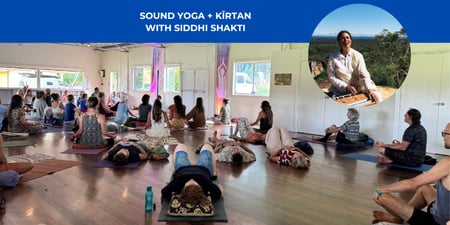
Sound Yoga + Kīrtan
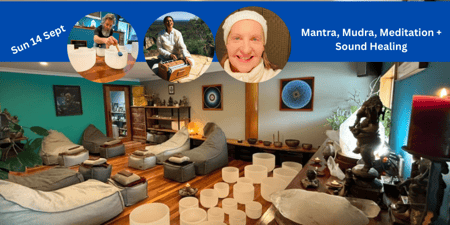
Mantra, Mudra, Meditation and Sound Healing
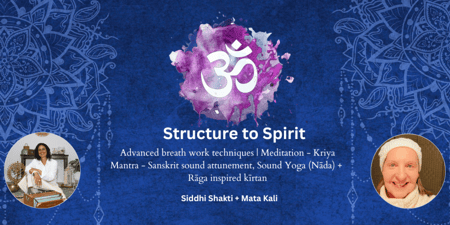
Structure to Spirit: Meditation, Mudra, Mantra + Kīrtan
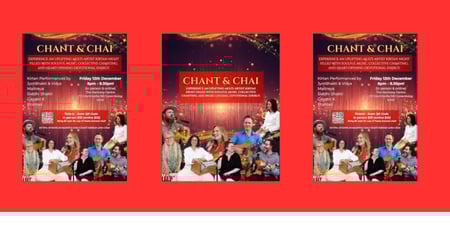
Chant & Chai
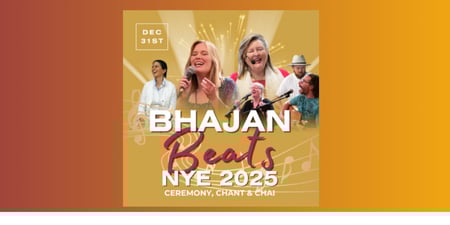
Bhajan Beats - NYE 2025