Autism Spectrum Disorder

Understanding Autism
Autism spectrum disorder (ASD) is a lifelong neurodevelopmental condition that shapes the way people interact, communicate, and process the world around them. While challenges may include difficulties with social interaction, communication, and repetitive behaviours, autism is best understood as a spectrum: each person has their own unique profile of strengths and differences.
Autistic individuals may experience intense interests, a preference for routine, and sensory sensitivities. Many also display distinctive cognitive profiles, excelling in areas like memory or pattern recognition, while finding other skills more difficult. Early signs often appear before age three, though diagnosis may not occur until later in childhood or adulthood—especially in those with subtler traits.
ASD has a strong genetic component, but environment and biology also play a role. Increasingly, researchers are recognising autism as a condition of diversity and individuality, rather than a uniform diagnosis[1].
Support and Therapies
There is no “cure” for autism, but a wide range of supports can improve quality of life and wellbeing. Early intervention, speech and occupational therapy, family education, and supportive community environments can all make a significant difference. Medications may be prescribed for co-occurring challenges such as anxiety, ADHD, or epilepsy, but are not used to treat autism itself.
Importantly, the best approach is personalised—designed to match the needs, preferences, and goals of each individual and their family. Large reviews of early intervention programs show modest but meaningful improvements in communication and adaptive skills[2].
How Can Traditional, Complementary & Integrative Healthcare (TCIH) Help?
While mainstream developmental supports form the foundation of autism care, many families also turn to holistic and integrative modalities. These therapies do not replace conventional supports, but they can provide valuable benefits in areas such as regulation, communication, and emotional well-being.
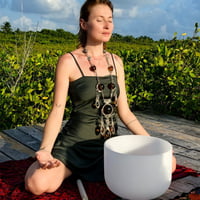
Music & Sound Therapy: Music can be a powerful bridge for connection. Reviews, including the Cochrane Review, report that music therapy helps autistic children and adults engage socially, express themselves, and improve parent–child interaction[3].
Art Therapy: For those who find words difficult, art provides another language. Art therapy allows children and adults to process emotions, reduce stress, and build self-confidence. A systematic review has highlighted its potential benefits, though more large-scale studies are needed[4].
Yoga & Mindfulness: Gentle movement and mindfulness practices may support body awareness, calm, and self-regulation. A recent meta-analysis found that mindfulness programs improved parental stress and children’s social responsiveness, while small yoga trials show positive effects on behaviour and focus[5].
Occupational Therapy with Sensory Integration: Many autistic people experience sensory differences—being either highly sensitive or under-responsive to sound, light, or touch. Occupational therapy (OT) with sensory integration techniques helps individuals regulate their sensory world. Randomised trials demonstrate that Ayres Sensory Integration® improves self-care and social skills[6].
Play-based Therapy: Play is the natural language of children. Play therapy offers a safe, engaging way to develop communication, social, and emotional skills. A randomised controlled trial showed improved engagement and regulation, with brain activity changes measured through EEG[7].
Naturopathic Nutrition Support: Families often explore dietary approaches to support wellbeing. Recent high-quality studies include:
- Folate metabolism: Folinic acid has been shown in double-blind trials to improve language and behaviour in some children, with genetic markers possibly influencing response[8].
- Gut health: Double-blind probiotic trials suggest improvements in select behaviours, though results across systematic reviews remain mixed[9].
Emerging Directions
Exciting new research is exploring brain-based approaches:
- A double-blind trial of transcranial pulse stimulation (TPS) in adolescents showed a reduction in autism symptom severity[10].
Autism is best understood as a spectrum of diversity rather than a condition needing to be “fixed.” Supportive therapies—whether conventional or holistic—work best when they are personalised, respectful, and collaborative.
Therapies that may assist autism Spectrum Disorder:
References
1. Posar A, Visconti P. Autism spectrum disorder in 2023: A challenge still open. Italian Journal of Pediatrics; 2023.
2. Sandbank M, et al. Project AIM: Meta-analysis of early intervention in ASD. BMJ; 2023.
3. Geretsegger M, et al. Music therapy for autistic people. Cochrane Database Syst Rev; 2022.
4. Vogel SW, Mullins KL, Kumar S. Art therapy for children and adolescents with autism: a systematic review. International Journal of Art Therapy; 2024.
5. Peng Q, Dong Y, Jin J, Ao H, Zhang C, Ma Y. The effectiveness of mindfulness-based interventions for children with autism and their parents: a systematic review and meta-analysis. Frontiers in Psychology; 2025.
6. Schaaf RC, Dumont RL, Arbesman M, May-Benson TA. Efficacy of Occupational therapy Using AYReS Sensory Integration®: A Systematic review. American Journal of Occupational Therapy; 2017.
7. Elbeltagi R, Al-Beltagi M, Saeed NK, Alhawamdeh R. Play therapy in children with autism: Its role, implications, and limitations. World Journal of Clinical Pediatrics; 2023.
8. Panda PK, et al. Oral folinic acid in children with ASD: RCT. European Journal of Pediatrics; 2024.
9. Xu X, et al. Probiotic interventions in ASD: Systematic review of RCTs. Journal of Psychiatric Research; 2024.
10. Cheung V, et al. Transcranial pulse stimulation in adolescents with ASD. Brain Communications; 2023.