Healing and Hope: A Holistic Path to Addiction Recovery

Whenever we consider addiction recovery, whether it’s drug, alcohol, or even a destructive habit recovery, we tend to think about the termination of that behaviour. However, real and permanent healing is far beyond that. It means being able to see that addiction is frequently a symptom of mind-body disharmony[1,2], and not a failure of moral will or a mere behaviour problem.
Over the past few years, there has been a great change towards the view of the person as a whole. It is the emergence of the whole person approach that aims at sustainable healing[3], through the integration of mind, body and spirit. It offers a compassionate and comprehensive path to anyone seeking a long-lasting change[4,5].
Understanding “Addiction” and “Grey Area Drinking”
In order to begin the healing process, we must understand the challenge. Addiction is a complicated disorder which is characterised by compulsive behaviour of an individual towards a rewarding behaviour despite the consequences.
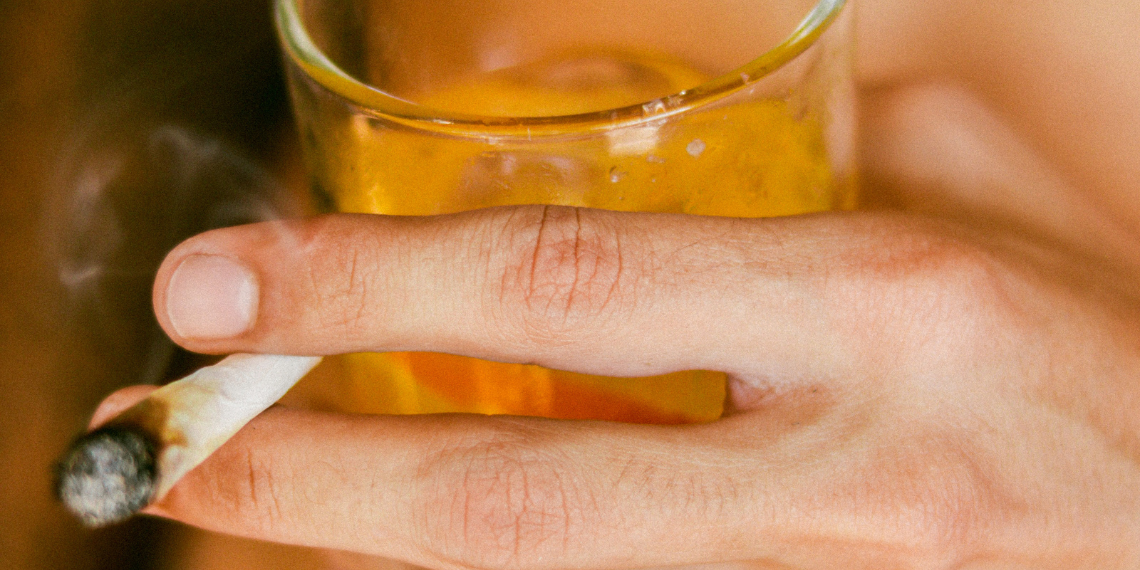
Nevertheless, not all people who need help fit into the image of serious addiction. Many struggle with what is known as “grey area drinking”[6,7]. This is a term that defines a drinking habit that is not a clinical dependency, yet causes distress, health-related issues, and impairs the ability to achieve one’s potential[8,9]. Maybe it is one or two glasses of wine at night that become three, or a regular habit of using drugs to cope with stress or social anxiety.
The small habits can be incredibly addictive and gradually degenerative on your physical health, the emotional aspect of life, and result in a lack of connection with your spiritual health and life meaning.
The Mind-Body Connection in Recovery
And what is the reason that people resort to substances? Often, the root lies in pain.
- Emotional Suppression: Most addicts are trying to deal with their overwhelming emotional states or painful experiences, or chronic stress. Drugs are a transitional yet fatal method of drowning these emotions[10,11].
- Nervous System Disharmony: When you live in constant stress (fight or flight response), the nervous system becomes dysregulated. The dependency on using substances is usually an effort to impose a force to control on this hyperactive system[12,13].
Effective recovery is knowing that you can’t talk your way out of the trauma that is stored within the body. The process of healing needs methods that support nervous system regulation and allow for the safe emotional release of stored pain, creating a sense of safety and calm within.
Integrative and Holistic Therapies for Recovery
The term holistic recovery means using a variety of tools that work together to heal the entire body[1,3]. Here are some powerful integrative therapies gaining traction in rehabilitation today:
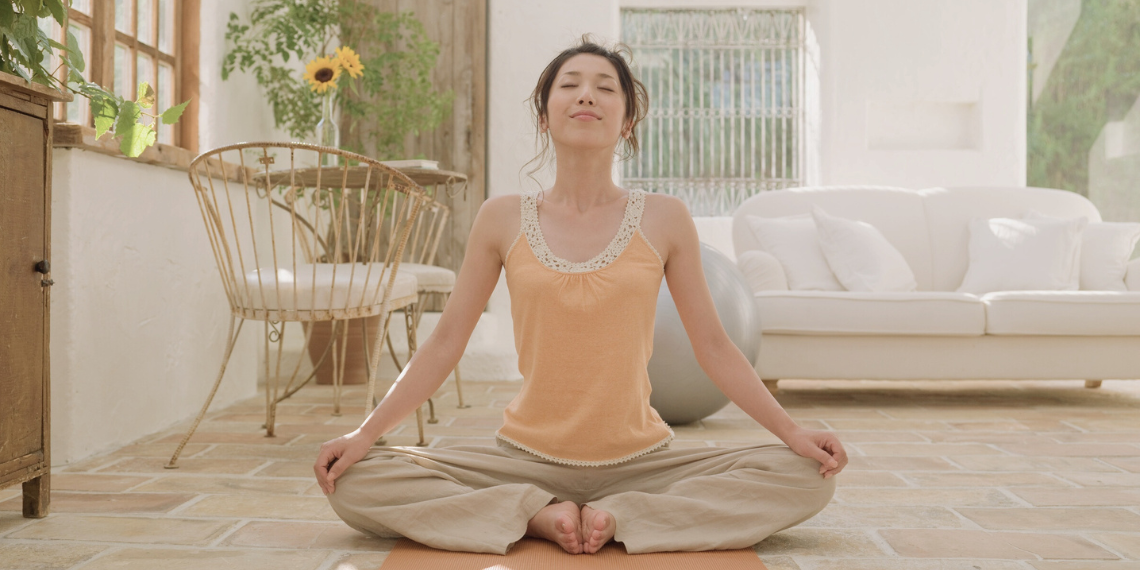
- Meditation and Breathwork: These are critical in developing calmness, awareness and control of emotions[14]. It is better to learn to stop and take a deep breath to regulate the nervous system and create a gap between an emotional trigger and a compulsive reaction[15].
- Bodywork and Somatic Therapy: These practices, such as trauma-informed yoga, TRE (Trauma Releasing Exercises), or gentle massage, can be used as a way of releasing stored trauma and tension in the body by means of movement and mindful touch[16,17].
- Naturopathy & Nutrition: depletes the body of important nutrients. Naturopathy is aimed at healing the body with food, supplements, and cleansing to heal the body and mend the damage caused by the use of substances[18,19]. Good nutrition is foundational to healing the brain and reducing cravings[20,21].
- Energy Healing: Techniques such as Acupuncture or Reiki treat subtle imbalances in energy systems of the body that may be the source of chronic anxiety or intense cravings[22,23].
- Counselling & Mindfulness Coaching: Traditional therapy combined with mindfulness coaching helps individuals identify thought patterns, build self-awareness, and create effective coping strategies, paving the way for better habits[4].
Switching Bad Habits in Favour of Better Ones
Recovery is the process of living a meaningful life where the substances aren’t needed[24,25]. This involves replacing destructive bad habits with constructive better habits that support self-care and growth:
- A Daily Routine: Create a routine that works for you. This might be as easy as five minutes of conscious stretching every day, journaling or having a cup of herbal tea. Creating structure and intentionality helps ground your day[26,27].
- The Strength of Connection: Accountability and a sense of belonging are offered through the role of community (support groups, meetings). Finding a greater cause by working, volunteering, or pursuing a creative habit fills the empty space that addiction usually creates.

The Journey of Patience and Self-Compassion
It is crucial to approach the journey of rehabilitation with profound patience and self-compassion. Healing isn’t always linear, especially with addiction recovery[28,29]. Relapses do occur, but they are not failures[30]; they are opportunities for learning and adjusting your current lifestyle.
Focus on improvement rather than excellence. Each day that you make a healthy choice, every time you breathe through a craving, and each self-compassion is a victory. Be kind and understanding to yourself just as you would be to a close friend, and understand that change is a process of long-term development.
The holistic journey back to yourself is one of the most courageous acts you can undertake. By viewing recovery as a whole-person process that integrates your mind, body, and spirit, you move beyond simply managing symptoms. You start healing at the deepest level.
If you or a loved one is struggling with alcohol addiction, drug addiction, or grey area drinking, know that powerful, integrative paths exist. We invite you to explore these integrative therapies to support your emotional healing and rediscover the peace, balance, and vitality that is your birthright. The deepest healing is possible when we strive for wholeness.
References
1. Transforming Lives with Holistic Rehabilitation: A Comprehensive Approach to Healing. Carrara Treatment; 2023.
2. What Is the Whole-Person Care Approach to Recovery? St. Joseph Institute; [cited on 2025 Nov 14].
3. Holistic Addiction Treatment Near Me: Why a Whole-Person Approach is Essential. Thrive Now; [cited on 2025 Nov 14].
4. Treating the Whole Person in Recovery. Green Hill; [cited on 2025 Nov 14].
5. The Importance of Treating the Whole Person in Addiction Recovery. Samba Recovery; 2025.
6. Riddle J. What Is Gray Area Drinking? Health Central; 2023.
7. Alcohol, COVID & ‘Gray Area Drinking’. The Recovery; [cited on 2025 Nov 14].
8. What Is Gray Area Drinking? Signs, Risks, and Treatment Recovery.com; 2024.
9. What Is Gray Area Drinking? Psychology Today; 2022.
10. The Link Between Emotional Suppression and Substance Abuse. New Horizons Recovery; 2025.
11. Editorial: The role of emotional dysregulation in addiction. Frontiers in Psychology; 2023.
12. How Does Nervous System Dysregulation Link To Addiction? Into Action Recovery Centers; 2024.
13. Nervous System Regulation: The Missing Link in Mental Health and Addiction Recovery. Waismann Method; [cited on 2025 Nov 14].
14. Bourque A. How Meditation and Breathwork Help Addiction Recovery. Sober and Beyond; 2025.
15. The Power of Breathwork in Addiction Recovery. High Focus; 2025.
16. The Journey of Healing: Understanding Somatic Therapies in Substance Abuse Recovery. Grand Falls; 2024.
17. Somatic Experiencing Therapy for Addiction Treatment: Core Principles, Application, Technique, and Benefits. Better Life Recovery & Wellness; 2025.
18. Friedman H. Naturopathic Medicine for Addiction Recovery. Recovery.com; 2025.
19. Can Naturopathic Approaches Help Win the Battle Against Substance Abuse? AANMC; 2019.
20. Nutritional Therapy for Recovery. Scottdale Recovery; 2025.
21. The Importance of Nutrition in Addiction Recovery. Restore; 2017.
22. Holistic Rehab in Nashville, TN for Treatment and Therapy. Freeman Recovery Center; 2025.
23. Gill K. Holistic Therapies in Drug and Alcohol Rehab. Recovery.com; 2025.
24. How To Avoid Bad Habits in Recovery This Year. The Lakes Addiction Treatment; [cited on 2025 Nov 14].
25. How to Replace Bad Habits in Addiction Recovery. Northstar Recovery Center; 2023.
26. Replacing Old Habits with Healthy New Ones. Fort Behavioral Health; 2025.
27. Transforming Your Life: Building Healthy Habits to Replace Unhealthy Ones. Affect; 2024.
28. Self-Compassion in Addiction Recovery: Learning to Forgive Yourself. Blue Crest; [cited on 2025 Nov 14].
29. The Importance of Patience and Self-Compassion in Addiction Recovery. DriftWood; [cited on 2025 Nov 14].
30. The Role of Self-Compassion in Early Recovery from Substance Use Disorders and Mental Health Challenges. Tarzana Treatment Centers; [cited on 2025 Nov 14].

Our purpose-driven editorial team has selected articles to share with our global community from thought leaders, commentators and subject matter experts in the traditional & complementary medicine sector from around the world. If you have any suggestions, comments or feedback, please contact us here.
Disclaimer: This Content has been developed from our generous global community and is intended for informational purposes only. This Content is not, nor is it intended to be, a substitute for professional medical advice, diagnosis, or treatment and should never be relied upon. Further, the personal views and experiences published are expressly those of the author, and do not represent the views or endorsement of SoulAdvisor through the act of publication on our site.
Similar articles in Integrative Health

How to Create a Personalised Wellness Plan: Your Complete Guide to Holistic Health
In a world where there’s an overwhelming amount of wellness information, such as social media trends [...]

Coming Home to My Body: A Lesson I Needed
When I was reminded how deeply my body communicates with me—and how often I ignore it. After eating [...]


3 Ways Mental Health Impacts Your Physical Wellbeing
"Health is a state of complete physical, mental and social well-being, and not merely the absence of [...]

The Healing Power of Aromatherapy Bath
Water is such a nurturing element on our earth, be it the revitalised feeling you have after a swim [...]

Menopause: Ways To Reduce The Impact Of The Journey
If I told you the number one reason why most women suffer during menopause, would you do whatever it [...]

From Insanity To Clarity
A personal journey of recovery through chronic illness, the disease to please and being powerless ov [...]


Revolutionising Wellness: A Holistic Expedition into Mind-Body Harmony
Ditching the Norm: Uncover the Path to Holistic Wellness. Dive into Kinesiology and Bio-Resonance fo [...]


Wisdom Gifted To Me Through My Naturopathic Practice
The face of the natural health and wellness industry has changed greatly over the last two decades.


Five Ways To Strengthen Your Gut Integrity
Keeping a healthy, strong gut lining is critical to good health.

Connecting With Your Inner Healer - Where True And Lasting Health Begins
During times of extreme stress and overwhelm related to debilitating symptoms, it can be challenging [...]

The Power of Breathwork : Balance, Healing and Radical Change in Your Life
Breath by breath let go of fear, expectation, anger, regret and frustration. With each passing da [...]


The Power Of Distance Kinesiology
Kinesiology is a rapidly growing field and now practised in 100 countries around the world. It’s est [...]

The Umbrella of Herbal Healing
It’s the oldest form of medicine on the planet. The healing properties of herbs have been accessed f [...]

How Remote Energy Healing Works
The ancient practice of energy healing, based on the idea of being able to consciously direct a subt [...]

SIBO: The High Impact Gut Problem With A Low Profile - PART 2
In our last article on SIBO, we identified the key symptoms, diagnosis and treatments. We also spoke [...]

SIBO: The High Impact Gut Problem With A Low Profile - PART 1
When Hippocrates suggested that all disease starts in the gut, he was right. Half of the Australian [...]

How To Bring The Earth Inside To Repair Your Health
The pandemic has certainly proven to all of us that excessive time indoors can negatively impact our [...]

Is Your Body Sending You Unusual Stress Signals?
A tight chest, shallow breathing and a clenched jaw are all tell-tale signs that the body is stresse [...]

The Healing Properties Of Therapeutic Bathing For Chronic Pain
Chronic pain, poor sleep, muscle stiffness and extreme fatigue are just some of the debilitating con [...]

Connecting With Your Feet
Have you ever wondered how a Reflexologist works and is able to ‘pick up’ certain imbalances or thin [...]
Similar articles in Healthy Living
How to Create a Personalised Wellness Plan: Your Complete Guide to Holistic Health
In a world where there’s an overwhelming amount of wellness information, such as social media trends [...]
Coming Home to My Body: A Lesson I Needed
When I was reminded how deeply my body communicates with me—and how often I ignore it. After eating [...]

Insomnia? 6 Holistic Bedtime Rituals to Transform Your Rest
Mind racing when you hit the pillow? You're not alone. Discover how a simple, science-backed bedtime [...]

7 Yoga Practices For Detoxing
When I think of detox, I think of the body taking out the trash! I think of quitting alcohol, coffee [...]

Exercise Boosts Brain Power
Recently, I read the book Brain Rules by Dr. John Medina. It is a New York Times bestseller, and the [...]


Manual Lymph Drainage - What’s all the ‘buzz’ about?
Most massage modalities deal with musculoskeletal issues, however, Manual Lymphatic Drainage offers [...]


Food as Medicine: Reclaiming Health Through the Power of Nature
Reclaim your health with the ancient wisdom of "food as medicine." Discover how daily choices, mindf [...]

Dance Like Nobody's Watching
When I first heard this quote, my first reaction was: “Why?”
3 Ways Mental Health Impacts Your Physical Wellbeing
"Health is a state of complete physical, mental and social well-being, and not merely the absence of [...]
The Healing Power of Aromatherapy Bath
Water is such a nurturing element on our earth, be it the revitalised feeling you have after a swim [...]

Unlock Happiness and Creativity by Moving your Body
During winter we tend to retreat and keep ourselves more indoors and rugged up; yet there are studie [...]

Fascia: Understanding and Enhancing the Functionality of This Important Connective Tissue
Fascia, the body’s connective tissue network, supports muscles, bones, and organs while enabling mov [...]
Menopause: Ways To Reduce The Impact Of The Journey
If I told you the number one reason why most women suffer during menopause, would you do whatever it [...]
From Insanity To Clarity
A personal journey of recovery through chronic illness, the disease to please and being powerless ov [...]

Common back pain myths and how to overcome your pain
Debunk common back pain myths, promote staying active, explore non-surgical treatments, and emphasiz [...]


Fit Over 40: Your Guide to Health and Fitness
Welcome to the journey of becoming fit over 40! This guide is perfect for those who are interested i [...]

Dancing Meditation... Are You Rocking Your Groove?
Do you love to dance? I love to dance! Everywhere I go, I dance. It can be quite comical, but [...]

Revolutionising Wellness: A Holistic Expedition into Mind-Body Harmony
Ditching the Norm: Uncover the Path to Holistic Wellness. Dive into Kinesiology and Bio-Resonance fo [...]
Wisdom Gifted To Me Through My Naturopathic Practice
The face of the natural health and wellness industry has changed greatly over the last two decades.
Five Ways To Strengthen Your Gut Integrity
Keeping a healthy, strong gut lining is critical to good health.
Connecting With Your Inner Healer - Where True And Lasting Health Begins
During times of extreme stress and overwhelm related to debilitating symptoms, it can be challenging [...]
The Power of Breathwork : Balance, Healing and Radical Change in Your Life
Breath by breath let go of fear, expectation, anger, regret and frustration. With each passing da [...]
The Power Of Distance Kinesiology
Kinesiology is a rapidly growing field and now practised in 100 countries around the world. It’s est [...]
The Umbrella of Herbal Healing
It’s the oldest form of medicine on the planet. The healing properties of herbs have been accessed f [...]

What Are The Different Types of Vinyasa Yoga?
Yoga can benefit the body, mind and soul in so many unique ways. It helps you to better connect with [...]

Whole Food Living: Honour Yourself, Honour The Planet
A whole food diet is so much more than a healthy lifestyle choice. When you choose to eat a whole [...]

How Remote Energy Healing Works
The ancient practice of energy healing, based on the idea of being able to consciously direct a subt [...]

The History of Naturopathy
How did naturopathy start, and how is it beneficial to humans? Naturopathy has been in existence [...]

The Online Naturopath Experience
Like so many other complementary therapies, naturopaths have increasingly moved to virtual consultat [...]

The Rise of Online Yoga
The pandemic created endless opportunities for us to participate in health and fitness classes virtu [...]

Live Longer And Healthier By Doing These Five Things
In Australia, we are lucky to have of the best life expectancies in the world – as of 2018, we were [...]

How Eating Colourful Fruits And Vegetables Could Help Boost Memory
You may have heard of the term ‘eat the rainbow’, and it’s a term that exists because the phytochemi [...]

Leaky Gut: The High Impact Gut Problem With A Low Profile - PART 3
In part three of our gut series, we look at leaky gut. In parts one and two, we learned about small [...]
SIBO: The High Impact Gut Problem With A Low Profile - PART 2
In our last article on SIBO, we identified the key symptoms, diagnosis and treatments. We also spoke [...]
SIBO: The High Impact Gut Problem With A Low Profile - PART 1
When Hippocrates suggested that all disease starts in the gut, he was right. Half of the Australian [...]
How To Bring The Earth Inside To Repair Your Health
The pandemic has certainly proven to all of us that excessive time indoors can negatively impact our [...]

4 Ways to Influence Your Immune System
Our immune system is crucial to the state of our health. Interestingly, we can influence the state o [...]

How Beetroot Juice Can Bolster Healthy Ageing
Is a glass of beetroot juice part of your daily diet? A new study shows that drinking beetroot juice [...]

Getting More Sleep Can Reduce Long-Term Health Risks
We all know how essential sleep is for our physical and cognitive health but the long-term impact of [...]

4 Exercises To Try If You Have Back Pain
Chances are that you may have experienced back pain at some point in your life, given it is estimate [...]

Slow Ageing Naturally With Antioxidants Rich Diet
As women enter their 40s, not only do their hormones start to decline but the physical effects of fr [...]
Is Your Body Sending You Unusual Stress Signals?
A tight chest, shallow breathing and a clenched jaw are all tell-tale signs that the body is stresse [...]

Four Memory-Boosting Brain Hacks
The brain has a remarkable ability to forge new pathways by rewiring itself in response to new infor [...]
The Healing Properties Of Therapeutic Bathing For Chronic Pain
Chronic pain, poor sleep, muscle stiffness and extreme fatigue are just some of the debilitating con [...]

Want To Stop Chronic Disease In Its Tracks? Try This.
Reducing inflammation by eating better could cut our risk of developing certain chronic diseases so [...]

5 Ways To Fortify Your Immune System
Given we’ve spent the past 18 months dealing with the challenges of a pandemic, the word ‘immunity’ [...]

Are These Herbs On Your Longevity Menu?
Growing older is a natural part of life. With each passing year, we are motivated to support our hea [...]

Training Your Immune System: Here’s Your Checklist
The intricate network of cells, organs and chemicals that comprise the immune system do a remarkable [...]

Are You Suffering From ‘COVID-Somnia?’
During this time of unprecedented global disruption, many people are finding that getting sufficient [...]

The Art Of Taking Tea Mindfully
In a world filled with chaos and stress, it is important we find ways in our daily lives that can he [...]

Blue Light And Daylight – The Sleep Conundrum
Blue light is essential for regulating our 24-hour sleep-wake cycle, or ‘circadian clock.’ It is wha [...]

Collagen: Healthy Aging From The Inside Out
Collagen is known as the ultimate anti-aging elixir, and has long featured in masks, topicals and sp [...]

Belly Misbehaving? You May Need The FODMAP Diet
Is your belly misbehaving? You are not alone. Around 20% of Australians have Irritable Bowel Syndrom [...]


The Life-Giving Breath Of Qigong
The ancient Chinese practice of Qigong, based on the concept of amalgamating energetic and physiolog [...]

Food Of The Future
The idea that ‘happiness comes from within’ is something we have heard time and again. But now, scie [...]

Food Balance: How To Achieve Optimum pH Levels
You may have heard about acid/alkaline or pH balance on your health travels, but did you know that e [...]

Ease And Grace Through Stretch Therapy
Stretch Therapy is a term created by Kit Laughlin who created and formerly ran the Strength & Flexib [...]
Connecting With Your Feet
Have you ever wondered how a Reflexologist works and is able to ‘pick up’ certain imbalances or thin [...]

10 Creative Ways To Move Your Body & Lose Weight Without Even Knowing It
The movement of the body has numerous benefits. By moving your body you not only move the muscles an [...]

Overcoming Food Fear
Food fear is a strand of emotional eating which can have debilitating effects on your life. I know t [...]