Reiki vs ThetaHealing®: Which Energy Therapy Is Right for You?

Reiki and ThetaHealing® are two of the modalities categorised in the Energy medicine — both aim to restore balance, enhance emotional well-being, and support the healing ability of the body. However, they approach these goals very differently. Reiki channels universal life force energy through gentle touch or hovering hands, while ThetaHealing® works with a meditative theta brainwave state to identify and shift limiting beliefs.
Despite the differences, whether you’re drawn to hands-on energy work or a mind-body-belief transformation process, understanding the differences, benefits, and session experiences of each can help you choose the approach that best suits your needs. In this guide, we’ll explore their origins, techniques, potential outcomes, and how to prepare—so you can confidently decide between Reiki vs ThetaHealing® for your wellness journey.
Origins of Reiki vs ThetaHealing®
The Origins of Reiki
Reiki, as practised today, was formalised by Dr. Mikao Usui in the early 1920s. His interest in spiritual study and training had fueled him to embark on a 21-day meditation and fasting retreat atop Mount Kurama. At the end of his journey, he experienced a profound awakening, which led to a healing method now known as Reiki. With a heart to heal and help others, shortly thereafter, he founded a clinic and school in Tokyo to teach his system of energy healing based on life force energy (Reiki)[1],[2].
While the basic concept of life-force—known as Ki in Japanese, Qi in Chinese, or Prana in Sanskrit-based traditions—has ancient roots, the specific therapeutic technique of Reiki is attributed to Usui’s rediscovery and structuring of it into a teachable method. Over time, one of Usui’s students, Dr. Chujiro Hayashi, refined the practice further and began training Hawayo Takata, a Japanese-American woman. Takata brought Reiki to the Western world in the mid-20th century, ensuring its global spread[3].
The Origins of ThetaHealing®
On the other hand, ThetaHealing® is a relatively modern energy-healing modality founded by Vianna Stibal in 1995. It emerged following her own remarkable healing journey from a 9-in tumour in her leg. After reportedly recovering from a serious illness, she developed a meditation-based technique that accesses the theta brainwave state to shift subconscious beliefs and facilitate physical, emotional, and spiritual healing[4].
ThetaHealing® combines focused thought, prayer, and connection to what is referred to as the Creator of All That Is, enabling practitioners to tap into deeper consciousness layers and reprogram limiting beliefs. The method is grounded in a spiritual philosophy that encompasses what Stibal describes as the Seven Planes of Existence, and invites practitioners of all faiths to engage with it in harmony with conventional medicine[5].
In summary, Reiki was rediscovered and systematised in early 20th-century Japan, blending centuries-old spiritual concepts with formalised practice. ThetaHealing®, on the other hand, is a late 20th-century meditation-based technique conceived by a single practitioner’s personal transformation and ongoing spiritual framework.
Session Flow & Techniques
Reiki
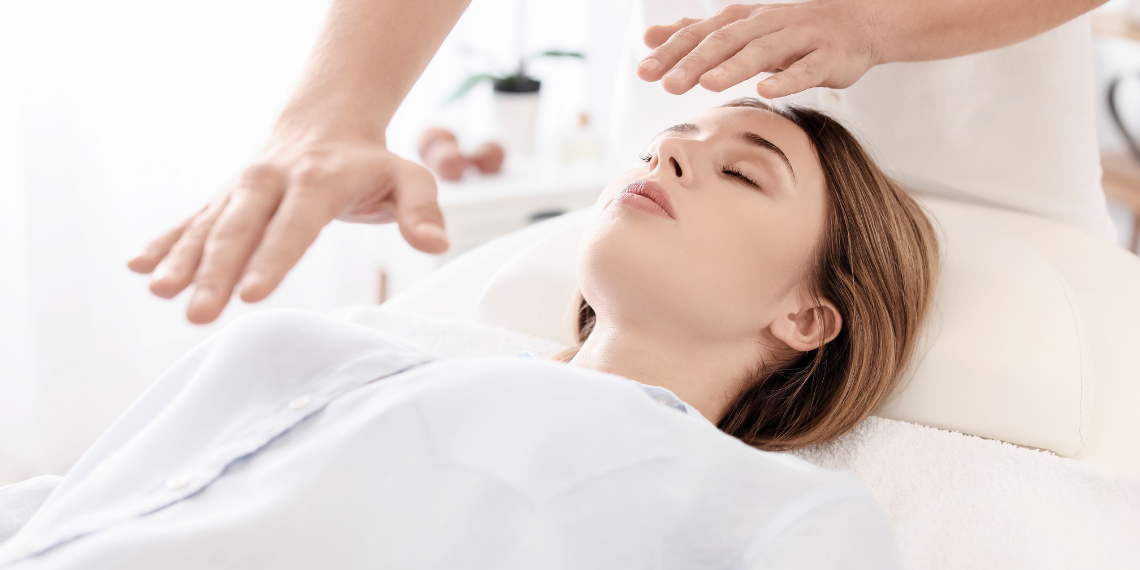
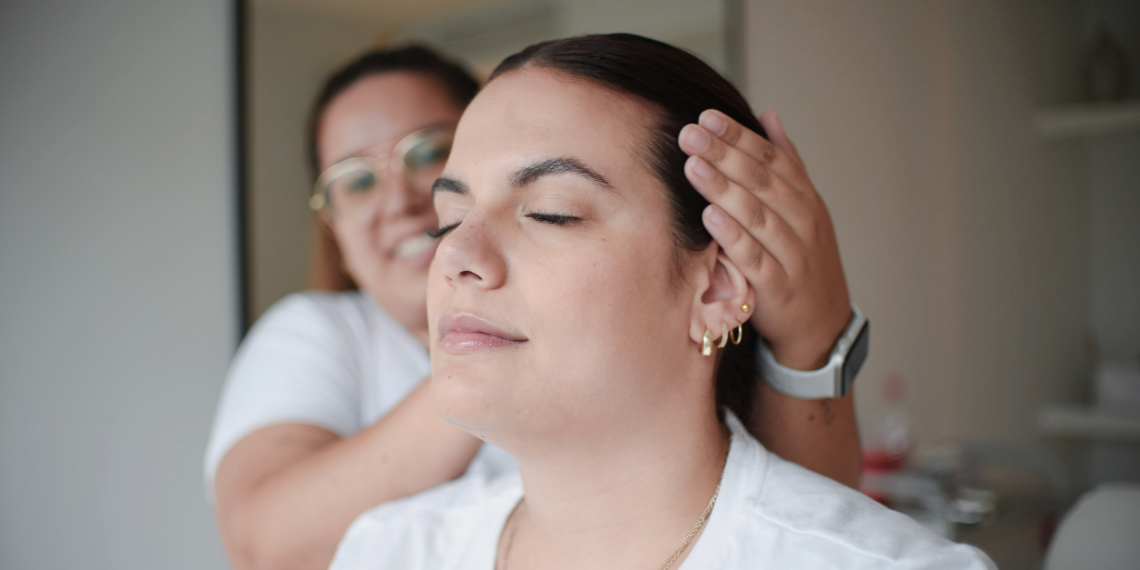
While Reiki is a form of energy healing, it is generally not tied to any specific religion or spiritual belief—though some practitioners may include spiritual elements, so it’s worth clarifying your preferences beforehand. In a session, you’ll typically remain fully clothed, lying on a padded treatment table or seated if more comfortable. The practitioner may begin with a brief guided relaxation or meditation before placing their hands lightly on or just above specific areas of your body. You might notice warmth, tingling, or simply a deep sense of calm—many people even drift into sleep. Sessions usually last 45–60 minutes, tailored to your needs, and while Reiki is not linked to adverse effects, it’s not a substitute for conventional medical care. Always consult your healthcare provider before starting, and let your practitioner know about any health concerns so the experience can be adapted for your comfort and safety.
ThetaHealing®
A ThetaHealing® session typically begins with a discussion about the issues you’d like to address and your consent to connect with your energy. Some practitioners may use gentle ‘muscle testing’ to gauge your body’s intuitive responses to questions. The practitioner then enters a meditative theta state, guiding you into the same brainwave pattern, and engages in “belief work” to uncover and shift limiting subconscious beliefs—always with your verbal permission. Sessions, lasting 60–90 minutes, may be held in person, by phone, or online, and many people report feeling lighter, calmer, or noticing a sense of internal “shift” afterwards. While non-invasive and generally safe, ThetaHealing® should complement—not replace—medical care, so inform your practitioner of any health conditions to ensure the process is tailored to your needs.
Key Benefits & Use Cases
Both Reiki and ThetaHealing® offer unique benefits and applications that support mental, emotional, and physical well-being. While scientific research continues to evolve, many individuals find these energy therapies helpful when paired with conventional care.
Reiki
- Reduces Anxiety and Stress: Systematic reviews show that Reiki significantly lowers anxiety levels in varied populations—including individuals with fibromyalgia, chronic illness, or undergoing medical procedures—demonstrating moderate-to-large effect sizes in clinical contexts[6].
- Supports Mood, Depression, and Burnout: There is high evidence that Reiki helps alleviate symptoms of clinical depression and stress, and moderate-to-high evidence supporting its role in reducing clinical anxiety[7].
- Enhances Pain Relief & Quality of Life: Effectiveness has been noted in reducing fatigue, relieving pain, and improving quality of life—especially for individuals with cancer, chronic diseases, or during end-of-life care[8].
- Physiological Regulation & Relaxation: Reiki has been shown to activate the parasympathetic nervous system, lowering heart rate, blood pressure, and enhancing well-being.
- Emotional Resilience & Self-Care: Patients in mental health settings reported significant reductions in negative emotions (e.g., anxiety, fatigue) and increases in positive states such as happiness and calm—even after a single session[9].
ThetaHealing®
Because ThetaHealing® is a relatively new modality, there is limited peer-reviewed research directly evaluating its clinical outcomes. However, through belief work, practitioners guide clients in identifying and releasing subconscious patterns—such as feelings of unworthiness, self-doubt, or fear—that may be limiting their potential. This process aims to reprogram the unconscious mind, allowing for new perspectives, different choices, and the ability to take empowering actions.
Commonly reported benefits and applications include:
- Shifting Limiting Beliefs – Releasing deeply ingrained thought patterns that may contribute to issues like low self-esteem, self-sabotage, or a sense of failure.
- Supporting Addiction Recovery – Helping clients uncover and address the underlying emotional or belief-based drivers of addictive behaviours.
- Clarifying Life Direction – Assisting individuals in aligning with their goals, values, and potential career paths.
- Enhancing Emotional Well-Being – Facilitating greater self-acceptance, forgiveness, and a deeper connection to one’s intuition or spiritual self.
How to Prepare for a Reiki Session
- Set your intention: Decide the outcome of your session, such as stress relief, relaxation, or emotional balance.
- Find a certified practitioner: SoulAdvisor offers a wide selection of qualified Reiki practitioners, ensuring you can book someone experienced and reputable for your session.
- Share your health context. Inform your practitioner about any medical conditions, medications, or injuries. Reiki is complementary and shouldn’t replace medical treatment.
- Wear comfortable clothing. Loose layers allow you to relax fully on the treatment table.
- Arrive a few minutes early. Use this time to discuss your goals, ask questions, and settle into the space.
- Plan gentle aftercare. Many clients feel deeply relaxed or tired; hydrate and allow quiet time afterwards.
How to Prepare for a ThetaHealing® Session
- Clarify your intentions. Identify specific issues or beliefs you’d like to work on.
- Choose a certified practitioner you can trust. Here at SoulAdvisor, we list many qualified ThetaHealing® practitioners, allowing you to confidently book someone experienced in guiding clients through belief work and theta-state sessions.
- Share health and personal context. Mention any conditions or concerns, and be open about what you hope to achieve.
- Understand the session flow. ThetaHealing® involves guided meditation into a theta brainwave state, possible muscle testing, and verbal permission for belief work.
- Set an intention and arrive early. Log in a few minutes early, take deep breaths, and prepare mentally for the session.
- Plan gentle aftercare. Give yourself time to notice shifts, journal insights, and stay hydrated.
Finding Certified Practitioners You Can Trust
When exploring therapies like Reiki or ThetaHealing®, finding a qualified, experienced practitioner is essential for both safety and effectiveness. SoulAdvisor is a trusted platform designed to connect clients with vetted, verified practitioners who meet the highest standards in the Traditional, Complementary, and Integrative Health (TCIH) community.
Every practitioner listed on SoulAdvisor undergoes a thorough verification process, ensuring they have the proper certifications, years of experience, and a commitment to ethical practice. This gives clients peace of mind that they are working with professionals who are not only skilled but also aligned with best practices in holistic care. SoulAdvisor makes it simple to browse practitioners by modality and book your sessions confidently. Whether you're seeking support or ready to offer it, SoulAdvisor is here to help you find the connection that makes holistic wellness possible.
As we say at SoulAdvisor, Nourish Yourself, Heal Our World.
References
1. History and Traditions of Reiki. International Association of Reiki Professionals; [cited on 2025 Sep 9].
2. Frequently Asked Questions. The International Center for Reiki Training; [cited on 2025 Sep 9].
3. The History of Reiki: A Journey of Healing Through Energy. Realign Your Mind; 2025.
4. About ThetaHealing®. Iouri Matsakov; [cited on 2025 Sep 9].
5. ThetaHealing® and Health: A Therapeutic Approach. Research Gate; 2023.
6. Therapeutic effects of Reiki on interventions for anxiety: a meta-analysis. PubMed Central; 2024.
7. Does Reiki Benefit Mental Health Symptoms Above Placebo? National Library of Medicine; 2022.
8. Reiki benefits: Scientific proof of the healing art's wellness powers. Heal.me;
9. Effect of Reiki on Measures of Well-Being in Low-Income Patients with Mental Health Diagnoses. PubMed Central; 2025.

Our purpose-driven editorial team has selected articles to share with our global community from thought leaders, commentators and subject matter experts in the traditional & complementary medicine sector from around the world. If you have any suggestions, comments or feedback, please contact us here.
Disclaimer: This Content has been developed from our generous global community and is intended for informational purposes only. This Content is not, nor is it intended to be, a substitute for professional medical advice, diagnosis, or treatment and should never be relied upon. Further, the personal views and experiences published are expressly those of the author, and do not represent the views or endorsement of SoulAdvisor through the act of publication on our site.
Reiki practitioners near you
ThetaHealing® practitioners near you
Books







Similar articles in Mental Wellness

The Power of Forgiveness
Forgiveness is one of the most loving gifts you can give yourself. It’s not about letting someone “o [...]


You've Been Hypnotised Before - Now Use It to Create the Life You Want
If you’ve ever taken a wildly popular drink or followed a fashion trend, chances are you’ve been hyp [...]

Say Yes to Life!
The article inspires readers to embrace life with meaning, optimism, forgiveness, self-acceptance, a [...]


Holistic Healing for Anxiety: Therapies, Tips & When to Seek a Practitioner
Holistic approaches offer natural, whole-person ways to manage stress and anxiety. In this article, [...]

5 Ways to Combat Monday Blues at Your Workplace
We've all been there, the familiar dread and the reluctance to start the week. However, with the rig [...]

Mind Health
Mind health is crucial for overall well-being, impacting emotional resilience, relationships, and pr [...]


Finding Strength In True Relaxation
It's often not enough to say "just relax" when we are faced with full schedules, life's unexpected t [...]

The Secret Of Happiness Is Connection
With the uncertainty in the world at the moment, it is more important than ever that we connect with [...]


Coaching or counselling? Online or face to face?
We speak with a SoulAdvisor coach and a counsellor to help you decide. Are you at a crossroads in [...]

The Impact Of Menopause On The Mind
Menopause not only brings major changes to your body, it can impact your mental health. An artic [...]

Feeling Lonely This Holiday Period? You're Not Alone
We often think of Christmas and the holiday period as a time to catch up with friends and family aft [...]

3 Helpful Options For Mental Health Support During Pandemic
“No one understands me.” “I can’t talk to anyone about this - they'll judge me as weak, ungratefu [...]

Managing Your Anxiety Naturally: 12 Expert Opinions - Part 2
On World Health Day, SoulAdvisor hosted its inaugural wellness forum on the topic of anxiety. Read o [...]

Managing Your Anxiety Naturally: 12 Expert Opinions - Part 1
On World Health Day, SoulAdvisor hosted its inaugural wellness forum on the topic of anxiety. Read o [...]

Seasonal Secrets – Making Autumn Your Friend, Not Your Fall
We’ve all felt the clutches of that post summer slump. The warm, dreamy holidays are over, we’re hea [...]

Simple Tips To Avoid Zoom Burnout
In 2020, millions of people across the globe made the abrupt shift to working from home. While remot [...]

How To Foster Resilience In The Burnout Epidemic
Feelings of exhaustion, disconnectedness and lack of motivation are a daily occurrence for many of u [...]

Energy Seeks Balance - How To Rebalance Your Energy
When the balance of yin and yang is disturbed, we experience an unease in our body and our mind - at [...]


Rediscovering Our Way To Wellness
For centuries, many scholars have argued that our habitual thoughts and beliefs influence our body’s [...]


The 7 Energy Challenges To Well-Being
Our well being is priceless. All of us all want it and need it to enjoy every other aspect of our li [...]
Similar articles in Mind

The Power of the Pause: Healing Emotional Triggers With Awareness
When something small feels unexpectedly big, it is often the past speaking through the present. A mo [...]
The Power of Forgiveness
Forgiveness is one of the most loving gifts you can give yourself. It’s not about letting someone “o [...]
You've Been Hypnotised Before - Now Use It to Create the Life You Want
If you’ve ever taken a wildly popular drink or followed a fashion trend, chances are you’ve been hyp [...]
Say Yes to Life!
The article inspires readers to embrace life with meaning, optimism, forgiveness, self-acceptance, a [...]

5 Daily Energy‑Clearing Practices You Can Do at Home
Feeling drained, anxious, or out of alignment? Energy clearing, or cleansing, is the ancient practic [...]
Holistic Healing for Anxiety: Therapies, Tips & When to Seek a Practitioner
Holistic approaches offer natural, whole-person ways to manage stress and anxiety. In this article, [...]

Gazing Meditation
There are many different types of meditation, and no single technique is universally the best for ev [...]
5 Ways to Combat Monday Blues at Your Workplace
We've all been there, the familiar dread and the reluctance to start the week. However, with the rig [...]
Mind Health
Mind health is crucial for overall well-being, impacting emotional resilience, relationships, and pr [...]

Self-Care for Therapists: Prioritising Your Own Wellbeing to Better Serve Your Clients
As health and wellness practitioners, we know that self-care is imperative. We teach it and we he [...]

Finding Strength In True Relaxation
It's often not enough to say "just relax" when we are faced with full schedules, life's unexpected t [...]
The Secret Of Happiness Is Connection
With the uncertainty in the world at the moment, it is more important than ever that we connect with [...]

The Sacred Space Of Online Meditation
The meditation movement around the world is growing at an extraordinary pace. During the pandemic, m [...]
Coaching or counselling? Online or face to face?
We speak with a SoulAdvisor coach and a counsellor to help you decide. Are you at a crossroads in [...]

Getting Distracted? Try Some Mindfulness Meditation
Do you find yourself getting distracted while working, thinking you’ll quickly Google that thing on [...]
The Impact Of Menopause On The Mind
Menopause not only brings major changes to your body, it can impact your mental health. An artic [...]
Feeling Lonely This Holiday Period? You're Not Alone
We often think of Christmas and the holiday period as a time to catch up with friends and family aft [...]
3 Helpful Options For Mental Health Support During Pandemic
“No one understands me.” “I can’t talk to anyone about this - they'll judge me as weak, ungratefu [...]

4 Ways Thinking Like A Monk Can Free Your Mind
How can you free yourself of anxiety, anger, and bitterness and all those negative emotions that cre [...]
Managing Your Anxiety Naturally: 12 Expert Opinions - Part 2
On World Health Day, SoulAdvisor hosted its inaugural wellness forum on the topic of anxiety. Read o [...]
Managing Your Anxiety Naturally: 12 Expert Opinions - Part 1
On World Health Day, SoulAdvisor hosted its inaugural wellness forum on the topic of anxiety. Read o [...]
Seasonal Secrets – Making Autumn Your Friend, Not Your Fall
We’ve all felt the clutches of that post summer slump. The warm, dreamy holidays are over, we’re hea [...]
Simple Tips To Avoid Zoom Burnout
In 2020, millions of people across the globe made the abrupt shift to working from home. While remot [...]
How To Foster Resilience In The Burnout Epidemic
Feelings of exhaustion, disconnectedness and lack of motivation are a daily occurrence for many of u [...]

The Key To A Successful Life? Start With Compassion
We’ve all been told it’s better to give than to receive. And if this taxing time during the pandemic [...]
Energy Seeks Balance - How To Rebalance Your Energy
When the balance of yin and yang is disturbed, we experience an unease in our body and our mind - at [...]
Rediscovering Our Way To Wellness
For centuries, many scholars have argued that our habitual thoughts and beliefs influence our body’s [...]

Mindfulness Meditation
To be mindful is to pay attention to purpose. That is, paying attention to what is happening both ar [...]

Meditation On The Go
It’s hard. You want to meditate. But you can’t find the time. You crave rest. You wish you could jus [...]


Who Can Meditate?
I meet lots of people who say they love meditation and that it’s made a huge difference in their liv [...]
The 7 Energy Challenges To Well-Being
Our well being is priceless. All of us all want it and need it to enjoy every other aspect of our li [...]

The Sacred Movement Of Stillness
The word movement is usually something we associate with physical activity or physically ‘doing’ som [...]