Kru Khmer

Kru Khmers near you
How can Kru Khmer nourish you?
Kru Khmer is an ancient Cambodian healing tradition that integrates herbal remedies, massage techniques, and spiritual practices to promote holistic well-being. Rooted in Cambodia's rich cultural heritage, this modality offers universal benefits, making it accessible and valuable to individuals worldwide[1].
Kru Khmer healing is deeply embedded in Cambodian culture, with practitioners known as "Kru Khmer" serving as custodians of traditional medical knowledge. Historically, these healers have played a pivotal role in their communities, addressing physical ailments, emotional distress, and spiritual imbalances through a combination of herbal medicine, massage therapy, and ritualistic practices. Their expertise has been passed down through generations, preserving a holistic approach to health that emphasises the interconnectedness of body, mind, and spirit. Age-old techniques have also been preserved by some temples on Sastra or sugar palm leaves[2].
Traditional Khmer Medicine (TKM) is known as an integral part of the national health care system. It is based on centuries of local practice that depends considerably on Cambodia's rich biodiversity of medicinal plants[3].
While Kru Khmer is indigenous to Cambodia, its principles resonate universally. The practice underscores the importance of natural remedies and mindful bodywork, concepts that are increasingly sought after by individuals exploring Traditional, Complementary, and Integrative Healthcare (TCIH) pathways to wellness. Visitors to Cambodia, as well as those interested in global healing traditions, can gain valuable insights into holistic health by engaging with Kru Khmer practices.
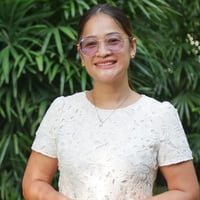
Practitioner offering Kru Khmer
Benefits of Kru Khmer
Engaging with Kru Khmer healing offers a multitude of benefits:
- Physical Well-being: The use of herbal remedies addresses various ailments, while massage techniques alleviate muscle tension, improve circulation, and enhance overall physical health.
- Emotional Balance: The integrative approach of Kru Khmer helps in reducing stress and promoting emotional harmony, contributing to mental clarity and resilience.
- Spiritual Connection: Rituals and spiritual practices within Kru Khmer foster a deeper connection to oneself and the surrounding environment, nurturing inner peace and mindfulness.
These benefits are not confined to any specific demographic; individuals from all backgrounds can experience the positive impacts of Kru Khmer, making it a truly universal healing modality[4].
Recent studies show that these practices are particularly crucial in rural society. With an estimation of 40-50% of Cambodians from isolated villages still utilising local herbal medicine and traditional healers as their initial form of treatment, not only out of convenience but also strong cultural trust[3][5]. Such everyday reliance underscores Kru Khmer's status as accessible, community-oriented health care at a reasonable cost.
What to expect from a Kru Khmer session
A typical Kru Khmer session is a personalised experience, tailored to meet the unique needs of each individual. Sessions often begin with a consultation, where the practitioner[6] assesses the client's physical and emotional state. This is followed by treatments that may include:
-
Herbal Remedies: Herbal remedies are at the heart of Kru Khmer healing. Practitioners draw on an extensive pharmacopoeia of native Cambodian plants—such as turmeric, lemongrass, ginger, moringa, and galangal—to create tailored treatments for a wide range of conditions, from digestive disorders and inflammation to skin diseases and respiratory issues. These remedies are typically administered as teas, poultices, oils, or balms. The selection and preparation of herbs is highly intuitive and deeply rooted in ancestral knowledge, often passed down orally through generations. This form of natural medicine not only supports physical recovery but also aligns the body with its natural rhythms, echoing contemporary understandings of phytotherapy and integrative herbal medicine[5][7].
Cambodia's traditional herbal practices are also documented and preserved through government and NGO activities. The National Center of Traditional Medicine (NCTM) facilitates research activities actively, while conservation activities emphasise biodiversity for preserving raw materials for future use in traditional medicine[8]. These activities ensure that Kru Khmer healers' knowledge will be sustainable in the near future. -
Massage Therapy: Kru Khmer massage is an energetic and therapeutic practice that blends acupressure, stretching, and rhythmic palm techniques. Drawing comparisons to Thai and Shiatsu massage traditions, it focuses on releasing blockages in the body’s meridian or “energy” lines to encourage optimal circulation and vitality. The treatment often includes warm herbal compresses infused with healing plants that penetrate the skin and muscles, enhancing relaxation and detoxification. Practitioners are trained to sense energy imbalances and adapt pressure and rhythm accordingly, helping to relieve chronic pain, stiffness, fatigue, and emotional tension. Sessions are both grounding and revitalising—an embodiment of physical and energetic healing combined[9].
Spiritual Practices: Honouring the Invisible Aspects of Healing
Beyond the physical, Kru Khmer embraces the spiritual dimensions of health. Traditional healing sessions may incorporate protective chants, energy clearing rituals, sacred thread ceremonies, and meditative prayer. These practices are rooted in a syncretic spiritual worldview that blends elements of animism, Buddhism, and ancestral reverence. The intention is to remove negative influences or “bad winds,” restore inner harmony, and protect the individual’s spiritual well-being. These rituals often include the burning of incense, the offering of flowers or rice, and the guidance of intuitive messages from ancestors or spirits. Even for visitors from outside Cambodia, these ceremonies can offer a deeply moving experience—one of connection, humility, and reflection[7].
These spiritual aspects are greatly appreciated at the national level. Recent efforts by the Ministry of Health, such as the establishment of a committee to organise exhibitions of traditional medicine, are geared towards conserving, promoting, and developing practices like Kru Khmer as Cambodia's intangible cultural heritage[10].
For those unable to travel to Cambodia, many wellness centres globally are incorporating elements of Kru Khmer into their offerings, allowing a broader audience to experience this ancient healing art.
In embracing Kru Khmer, individuals embark on a journey that transcends cultural boundaries, tapping into a reservoir of ancient wisdom that promotes holistic health and universal well-being.
References
1. Timeless Cambodian Tradition. Angkor Grace; 2025.
2. KRU KHMER: Healers in Cambodia, their practices and medical plants. Amazon; 2023.
3. Lim T, Davis EO, Crudge B, Roth V, Glikman JA. Traditional Khmer Medicine and its role in wildlife use in modern-day Cambodia. J Ethnobiol Ethnomed; 2022.
4. Traditional medicine at Cambodia. Baca Villa; 2025.
5. Narayan S. The Survival of Traditional Khmer Medicine in the Modern World. The Better Cambodia; 2023.
6. . Cambodia's Khmer healers get schooled in ancient art. Medical XPress; 2013.
7. Nariddh MC. Traditional medicines by Kru Khmer good for many ailments. Khmer Times; 2021.
8. Cambodia progress report on Herbal and Medicinal Plants. ASEAN Regional Knowledge Network on Forest Products Development; 2017.
9. What Are The Traditional Cambodian Healing Practices? 3KAngkor; 2024.
10. MoH will establish a committee for traditional medicine exhibition. Khmer Times; 2025.
Frequently asked questions
Kru Khmers near you
Categories
Browse Kru Khmers by locations
Explore Kru Khmers within Cambodia
Browse Kru Khmers by locations
Explore Kru Khmers within Cambodia